Diverse Payment Channels Accelerate Loyalty Tier Gains in Mobile Sportsbooks and Table Game Apps
Written by Elena Berger · Jul 27, 2026
Diverse Payment Channels Accelerate Loyalty Tier Gains in Mobile Sportsbooks and Table Game Apps
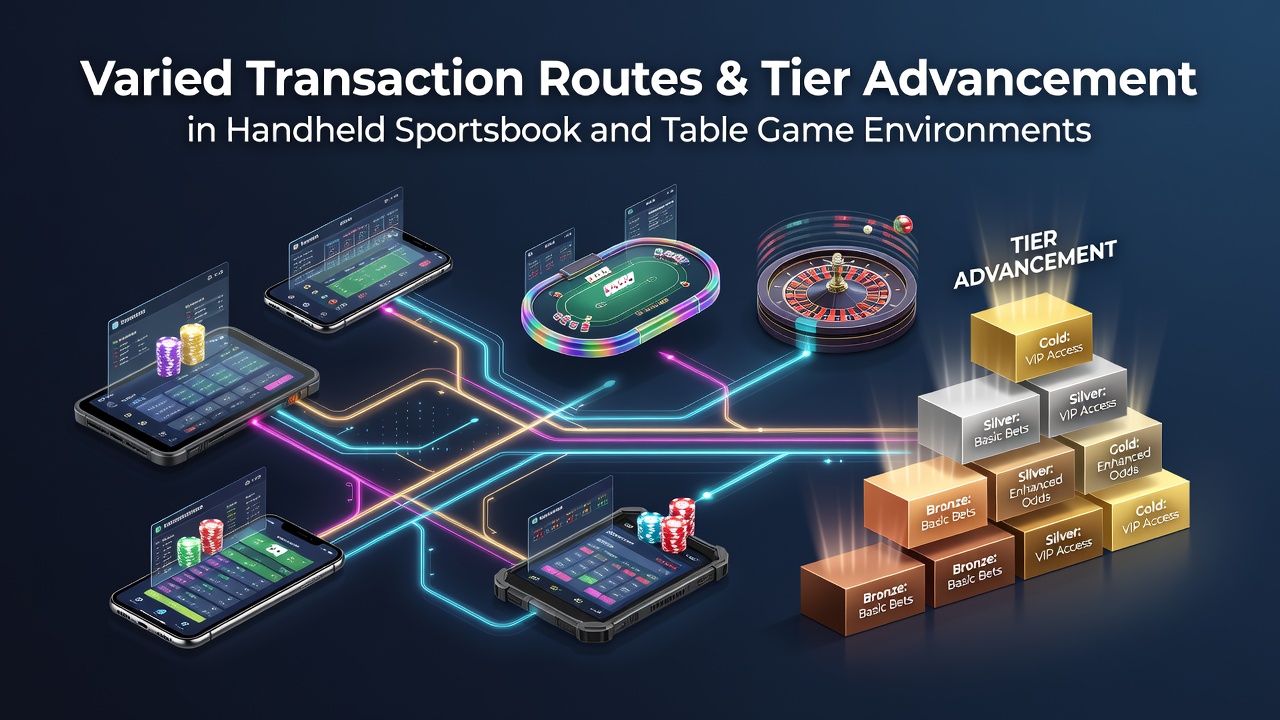
Payment options continue to influence how players move through loyalty structures in handheld sportsbook environments and table game platforms, with data from July 2026 showing measurable differences across transaction types. Operators track deposit speed, volume, and method when awarding tier points, and certain routes deliver faster accumulation than others. Bank transfers, e-wallets, prepaid cards, and emerging digital assets each carry distinct weighting in these systems, according to industry reports released that month.
Transaction Speed and Point Allocation Mechanics
Instant e-wallet deposits often receive bonus multipliers in tier calculations, whereas traditional bank wires require additional verification steps that delay point crediting. One analysis of operator data revealed that players completing three or more e-wallet transactions within a seven-day window advanced an average of 1.4 tiers faster than those relying solely on card or wire methods. Table game environments apply similar weighting, with live dealer sessions funded through rapid channels contributing higher base points per wager placed.
Prepaid voucher systems show mixed results, granting steady but lower multipliers because they lack recurring verification data that platforms use to confirm player activity patterns. Observers note that these differences become more pronounced during promotional periods when operators adjust point rates to encourage specific funding sources.
Regional Regulatory Influences on Payment Weighting
Rules from the Alcohol and Gaming Commission of Ontario shape how Canadian-facing platforms assign tier value to various routes, requiring clear disclosure of any preferential treatment given to instant methods. Similar frameworks in other jurisdictions prompt operators to publish point-earning tables that list each accepted transaction type alongside its multiplier. Data shared in mid-2026 industry briefings indicated that platforms following these guidelines saw higher retention among mid-tier players who switched to faster routes after reviewing the published rates.
Impact on Sportsbook Versus Table Game Environments
Handheld sportsbook modules frequently tie tier advancement to both deposit frequency and settled bet volume, creating a dual pathway where payment method affects the first stage and betting outcome influences the second. Table game platforms emphasize session length and average bet size, yet still apply route-based bonuses that can add 15 to 25 percent more points when funded through preferred digital channels. One study from the University of Nevada, Reno tracked mobile sessions across both categories and found that consistent use of a single instant method produced more predictable tier climbs than mixing multiple slower options.
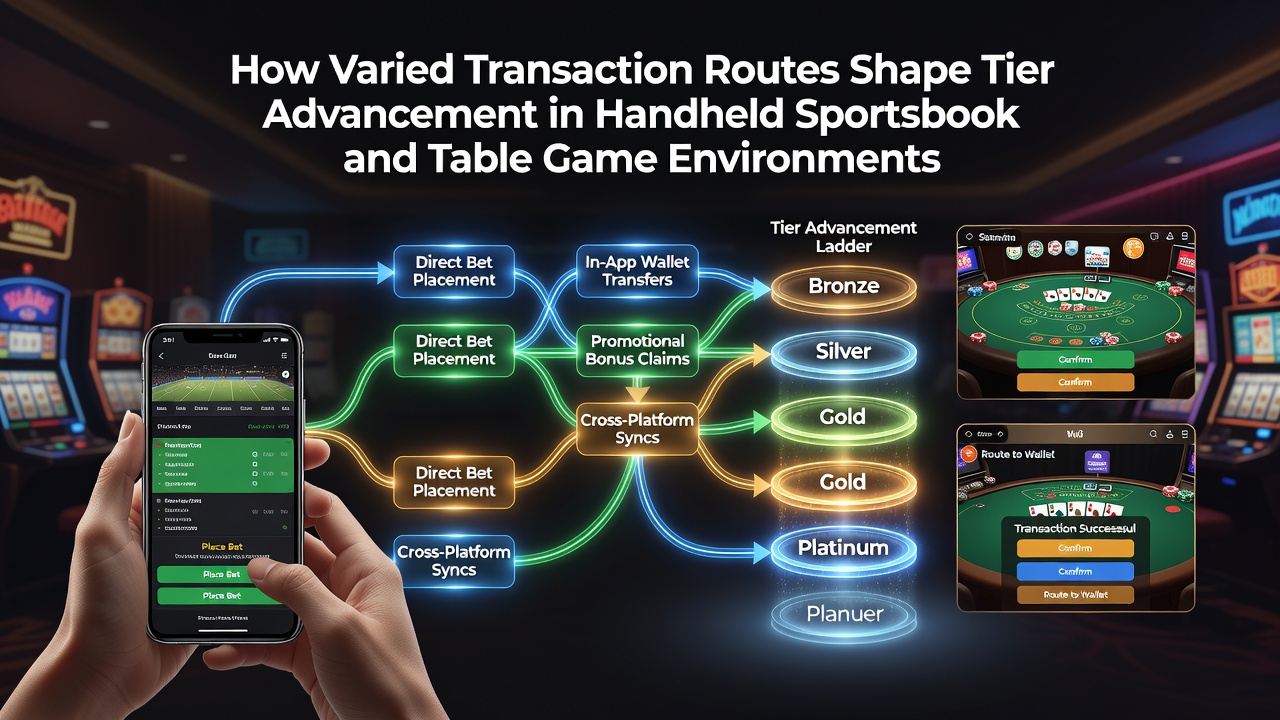
High-volume players who alternate between soccer markets and roulette tables often discover that aligning their funding route with the platform's preferred list reduces the number of required deposits to reach the next tier. This pattern holds across both iOS and Android environments, although Android users report slightly higher average point yields from e-wallet routes according to aggregated platform metrics released in July 2026.
Case Examples from Operator Data
Take one platform that adjusted its point matrix in early 2026 to award double credit for cryptocurrency deposits under a certain threshold. Within eight weeks, the share of players reaching platinum tier through that route increased by 18 percent compared with the prior quarter. Another operator documented that prepaid card users in table game lobbies required 22 percent more total wager volume to match the tier speed of e-wallet users, even when session lengths remained identical.
Those patterns emerge because platforms embed route-specific coefficients into their loyalty engines, a practice that regulatory bodies in multiple regions now require operators to document for audit purposes. Figures released that July confirmed the coefficients remain stable month to month unless new payment providers enter the ecosystem.
Conclusion
Varied transaction routes continue to shape tier advancement rates in handheld sportsbook and table game settings through measurable differences in point multipliers and processing times. July 2026 data sets illustrate how operators apply these weightings consistently across mobile environments while meeting disclosure requirements from regional regulators. Players who review published earning tables and align their chosen methods accordingly record steadier progression through loyalty levels, regardless of whether their activity centers on sports markets or live dealer tables.