Diverse Transaction Options Reshaping Progression in Digital Betting Loyalty Schemes
Written by Amir Otto · May 30, 2026
Diverse Transaction Options Reshaping Progression in Digital Betting Loyalty Schemes
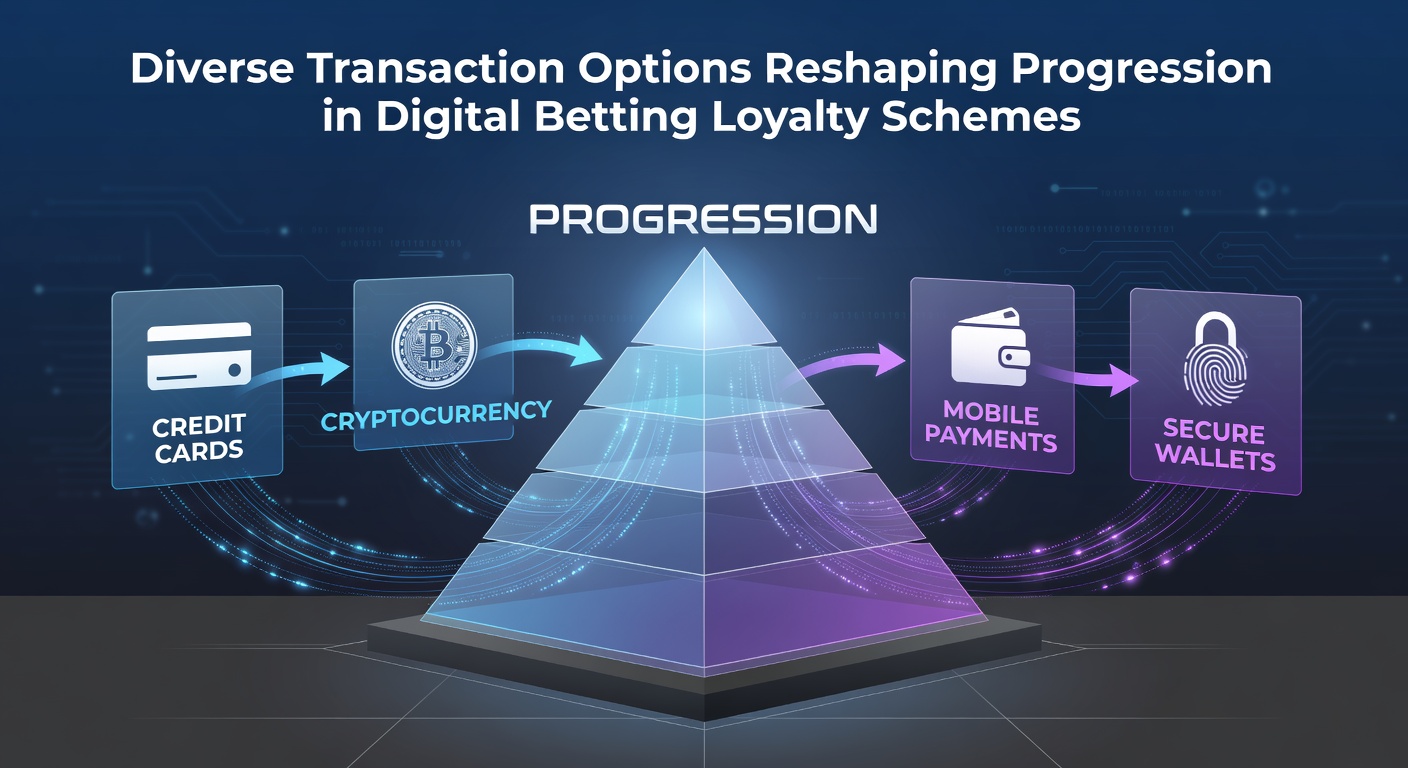
Payment diversity has expanded rapidly across digital betting platforms, and observers note that this variety directly influences how users advance through loyalty tiers. Multiple transaction types now connect players to rewards systems in ways that single-option models could not achieve, according to industry analyses from 2025 into May 2026.
Traditional bank transfers once dominated deposit processes, yet e-wallets, prepaid cards, and cryptocurrency options have gained ground because they reduce processing times and expand access for different user groups. Data from payment service providers shows that platforms offering four or more methods record higher average deposit frequencies, which in turn accelerate point accumulation toward VIP status.
Transaction Speed and Tier Advancement
Instant confirmation features tied to certain digital wallets allow players to complete deposits and begin wagering within seconds, and this speed feeds directly into real-time loyalty tracking systems. Researchers tracking user behavior across multiple jurisdictions found that accounts using instant methods reached mid-tier status 30 percent faster than those relying on standard bank processing during comparable periods.
Cryptocurrency deposits add another layer because blockchain confirmations occur independently of banking hours, enabling 24-hour progression opportunities. Reports compiled by the American Gaming Association indicate that operators integrating crypto saw measurable upticks in consecutive daily activity among users who previously deposited less frequently.
Regional Payment Preferences and Loyalty Participation
European markets demonstrate strong adoption of local e-wallets that comply with regional banking rules, while North American platforms emphasize integration with established credit networks alongside emerging digital assets. Australian regulatory filings from the past year reveal that diversified payment menus correlate with broader demographic reach in loyalty programs, particularly among users aged 25 to 40 who favor mobile-first options.
Those patterns matter because loyalty algorithms often weight deposit volume and frequency when calculating tier eligibility. When platforms accommodate local preferences, participation rates climb and the pool of active loyalty members grows without requiring changes to reward structures themselves.
Security Features Supporting Sustained Engagement
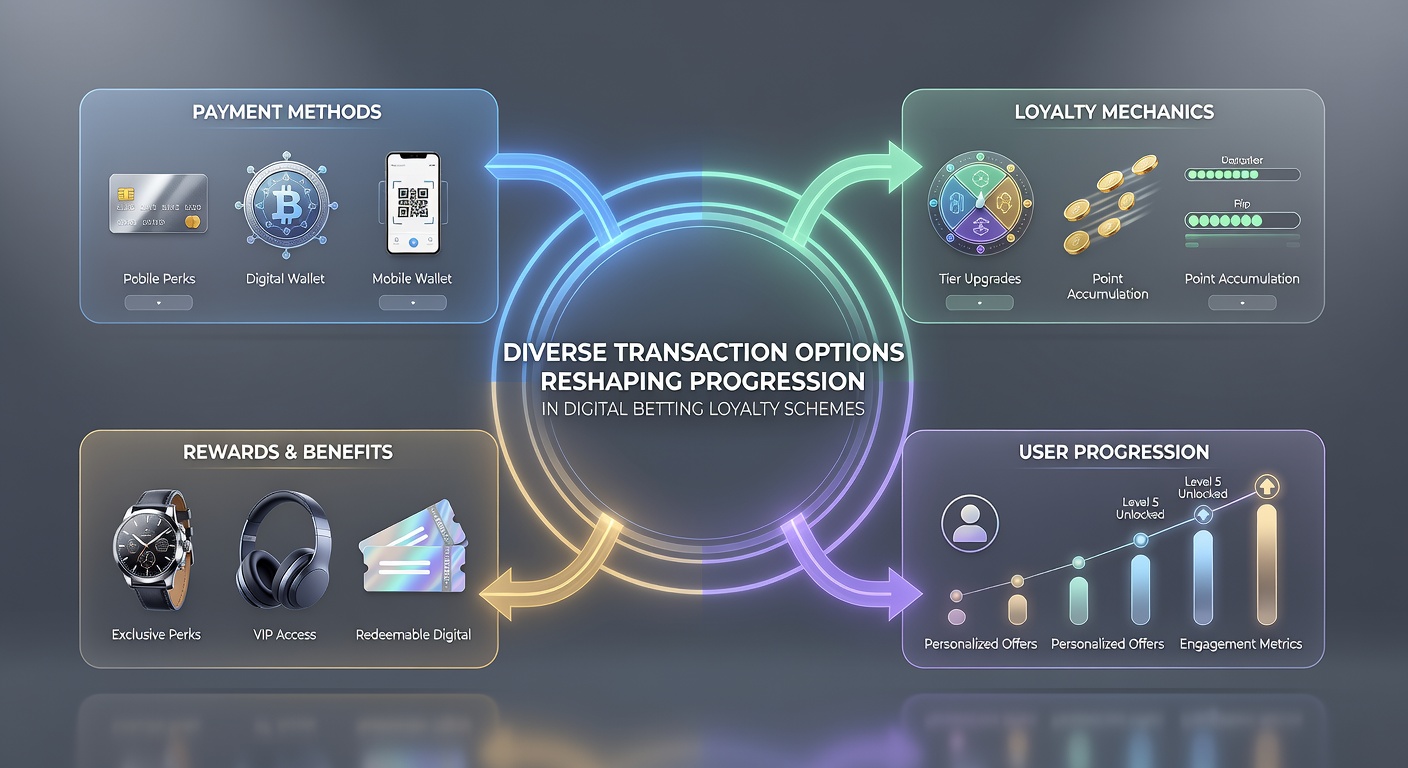
Enhanced verification protocols accompany many newer transaction methods, and these layers reduce chargeback incidents while maintaining user trust. Platforms that pair multi-factor authentication with diverse funding choices report lower account suspension rates, allowing loyalty progress to continue uninterrupted for verified users.
One study released by researchers at the University of Nevada, Las Vegas examined transaction logs from several large operators and concluded that security-integrated payment diversity supported longer account lifespans and steadier point accumulation. The findings align with observations from Canadian provincial regulators who track similar metrics in their licensed markets.
Integration Challenges and Platform Adjustments
Operators face technical demands when adding new transaction rails because each method requires distinct compliance checks and settlement procedures. Yet successful integrations produce measurable returns through increased user retention, since players who encounter their preferred payment option tend to maintain activity across multiple sessions.
Industry reports covering the transition into May 2026 highlight that platforms updating their payment portfolios during late 2025 experienced measurable gains in tier progression metrics compared with those maintaining narrower options. These adjustments occur alongside broader shifts toward mobile-optimized interfaces that further streamline the deposit-to-play sequence.
Future Trajectory of Payment-Driven Loyalty Systems
Emerging payment technologies continue to enter the market, and observers expect continued experimentation with instant bank transfers and tokenized assets. Each addition potentially modifies how quickly users qualify for loyalty benefits, because the underlying systems track every deposit regardless of source.
Regulatory frameworks in multiple regions now require transparency around transaction fees and processing times, which indirectly shapes how loyalty programs communicate value to participants. Clear information about payment options helps users select methods that align with their activity patterns and tier goals.
Conclusion
Diverse transaction options have become integral components of loyalty progression mechanics in digital betting environments. Data collected through 2025 and into May 2026 demonstrates consistent links between payment variety, deposit frequency, and tier advancement rates across different markets. As platforms refine these systems, the relationship between transaction choice and reward access remains a central factor in user engagement patterns.