Integrating Payment Gateways with Tiered Reward Mechanisms in Multi-Game Mobile Betting Ecosystems
Written by Amir Otto · Aug 24, 2026
Integrating Payment Gateways with Tiered Reward Mechanisms in Multi-Game Mobile Betting Ecosystems
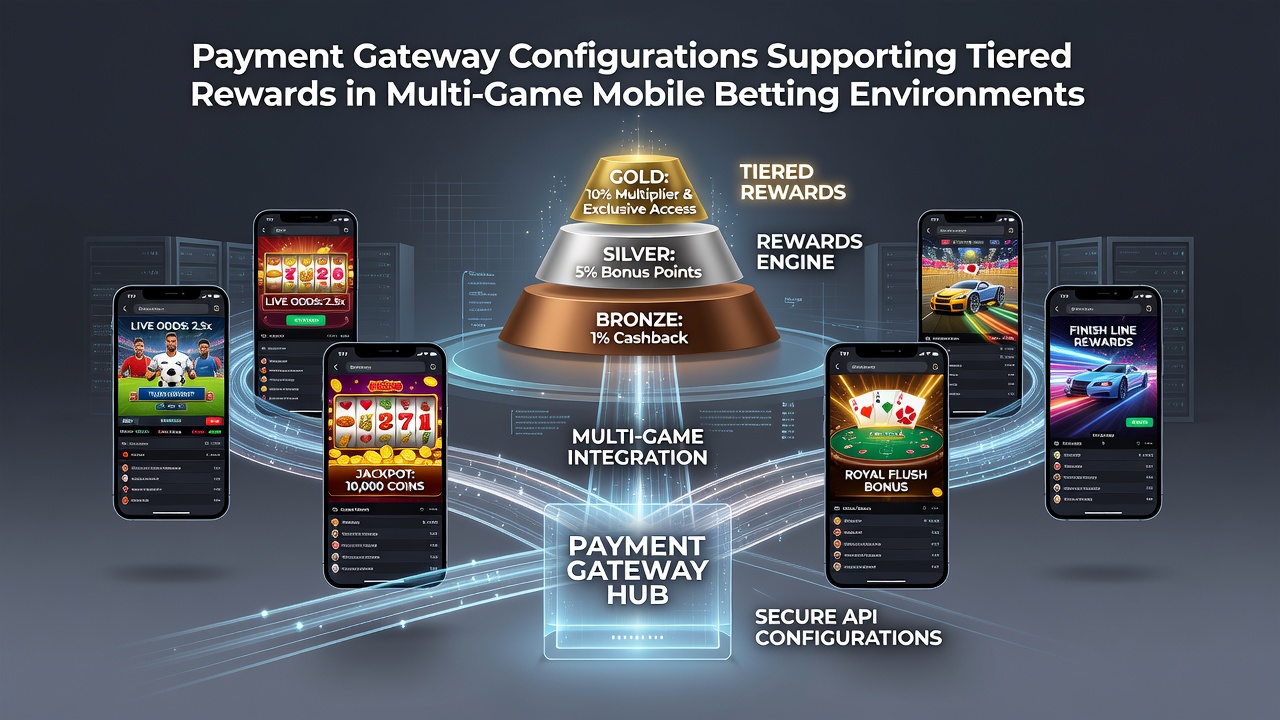
Payment gateway configurations now handle complex tiered rewards across multi-game mobile betting environments where users switch between slots, sports wagers, and live dealer options within a single session, and these setups rely on real-time data synchronization between transaction processors and loyalty databases to adjust reward multipliers based on player activity levels.
Data from industry reports shows that operators in markets such as Nevada and Ontario have expanded these systems since early 2025, with configurations allowing instant credit of tier benefits when deposit volumes or play frequency cross predefined thresholds.
Core Components of Payment Gateway Integration
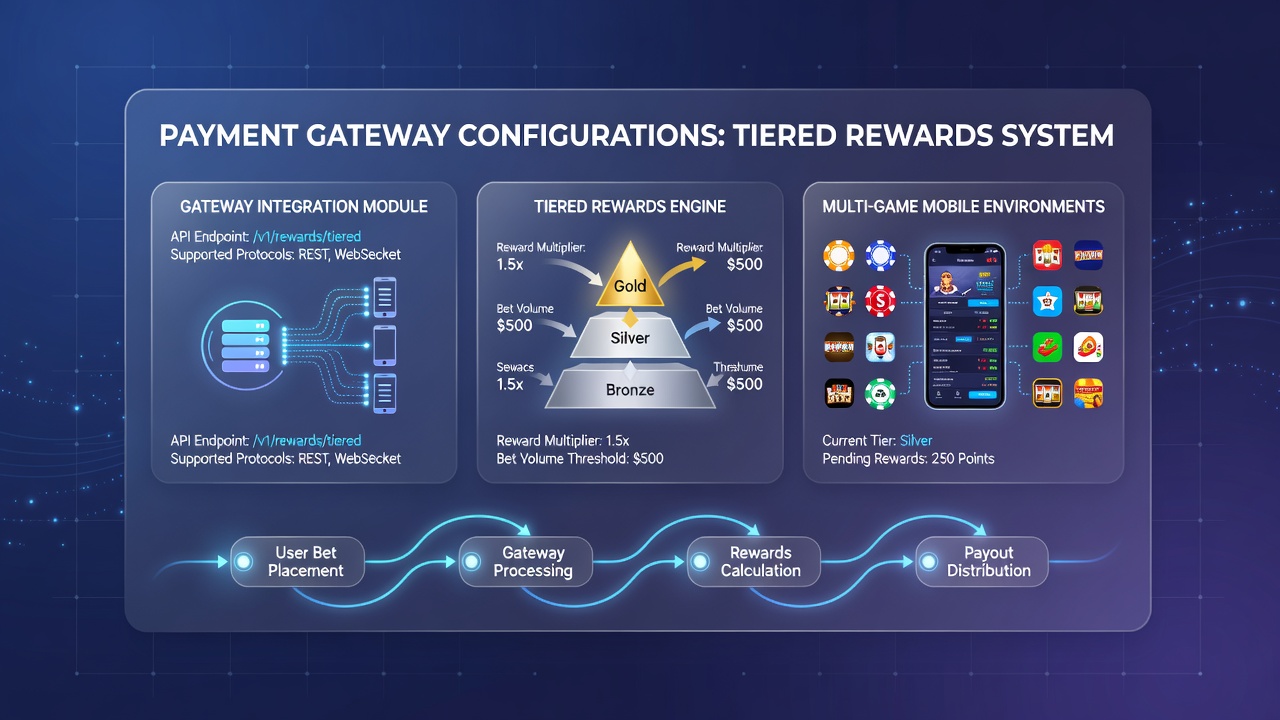
Modern gateways incorporate API endpoints that connect directly to reward engines, and these connections enable automatic detection of user tiers during each transaction so that higher-level players receive reduced fees or bonus credits without manual intervention. Researchers at institutions tracking gaming technology note that such integrations often use modular architecture, which separates payment authorization from reward calculation modules, allowing updates to tier rules without disrupting core transaction flows.
Take one platform that introduced tiered structures in August 2026; it linked its gateway to a centralized player database that updated reward status every 15 seconds, resulting in seamless application of benefits across game types while maintaining compliance with regional transaction limits.
Technical Configurations for Multi-Game Environments
Developers configure gateways with event-driven triggers that monitor cumulative spending across different game categories, and this monitoring supports dynamic reward scaling where a player moving from sports betting to slots sees their tier benefits carry over without reset. According to findings from the University of Nevada's gaming research division, systems employing these triggers reduce processing latency by up to 40 percent compared with batch-update methods used previously.
Security protocols include tokenization of payment details combined with encrypted tier status flags, which prevents unauthorized access while allowing the gateway to apply personalized reward rates during checkout. Observers in the field point out that these measures also support audit trails required by licensing bodies in multiple jurisdictions.
Regional Implementation Patterns
Platforms operating in Australia have adopted gateway setups that align with local financial regulations by embedding spend-tracking features directly into the transaction layer, whereas Canadian operators focus on cross-province compatibility to handle varying tier definitions. Figures from the Ontario Lottery and Gaming Corporation reveal steady growth in mobile transaction volumes that incorporate tiered incentives, with August 2026 data indicating continued expansion in multi-game sessions.
Gateways in these environments often support multiple currency conversions and regional payment methods, which ensures reward calculations remain accurate regardless of the funding source selected by the user.
Challenges in Maintaining Tier Consistency
One ongoing issue involves synchronizing reward tiers when users access the platform through different devices or game clients, and solutions typically involve persistent session tokens that carry tier metadata across all integrated games. Industry organizations such as the International Association of Gaming Regulators have documented best practices for these configurations, emphasizing the need for fallback mechanisms during network interruptions.
Yet the reality is that scaling these systems across thousands of concurrent users requires robust load balancing on the gateway side, and many operators now deploy cloud-based resources to handle peak periods without delays in reward delivery.
Future Developments in Gateway Technology
Emerging configurations explore blockchain elements for immutable reward ledgers, although current deployments remain limited to pilot programs in select markets. Data indicates that these additions could further streamline verification processes for tier status across international operators.
Conclusion
Payment gateway configurations supporting tiered rewards continue to evolve in response to multi-game mobile betting demands, with technical integrations focusing on real-time synchronization, security, and regional compliance. Platforms that implement these systems effectively demonstrate measurable improvements in transaction handling and player engagement metrics according to available operational data.