Interlinked Reward Structures Connecting Transaction Diversity to Membership Tiers in Mobile Casino and Betting Markets
Written by Elena Berger · Aug 12, 2026
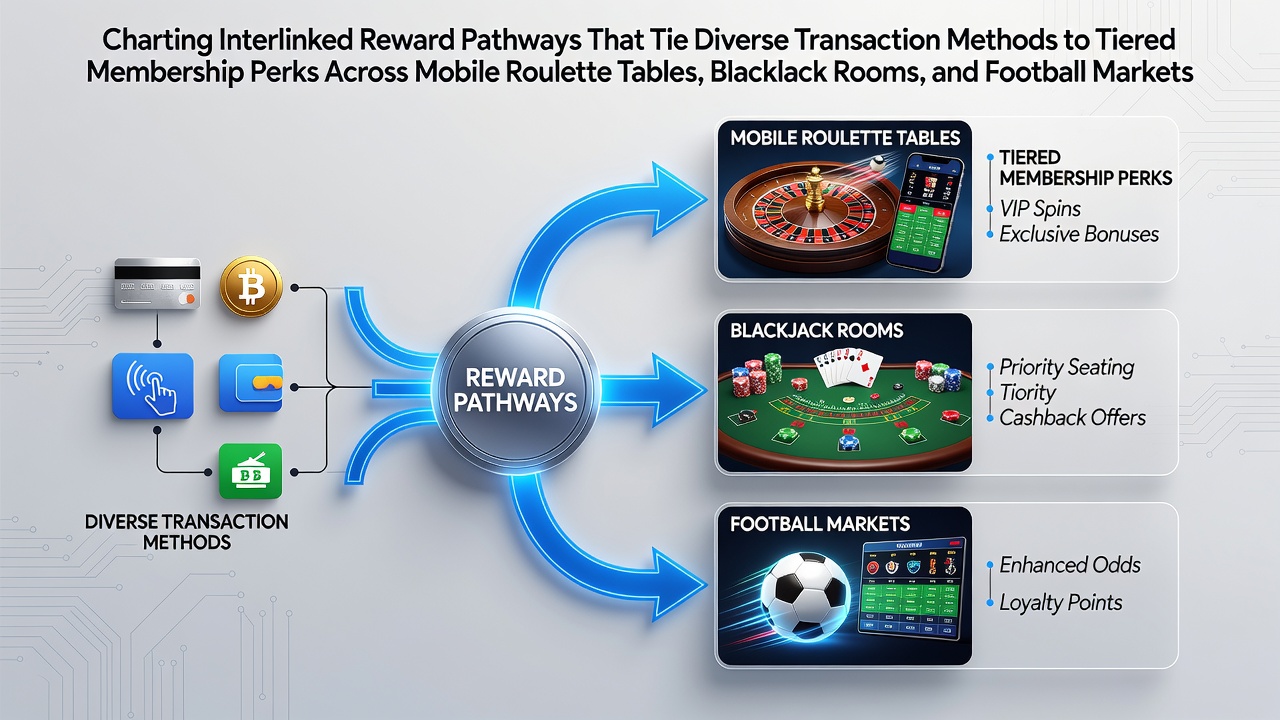
Interlinked Reward Structures Connecting Transaction Diversity to Membership Tiers in Mobile Casino and Betting Markets
Payment systems and loyalty frameworks in digital gaming environments have developed intricate connections that link various funding options directly to progressive membership benefits across mobile roulette tables, blackjack rooms, and football markets, and these networks operate through structured data flows that track user activity in real time. Operators integrate methods such as bank transfers, e-wallets, and card payments into centralized systems that automatically adjust perk allocations based on transaction volume and frequency, which allows players to advance through tiers while engaging with specific game categories.
Payment Integration Mechanisms
Transaction diversity plays a central role in how reward pathways form, since platforms process deposits from multiple sources and route the resulting data into loyalty engines that calculate eligibility for tiered benefits. Studies from the European Gaming and Betting Association indicate that operators in regulated markets have expanded support for instant transfer services alongside traditional banking channels, and this expansion creates measurable increases in tracked activity that feed directly into membership progression. Observers note that when players use varied methods within a single session, the system logs each action separately yet merges the data to determine cumulative rewards such as cashback percentages or exclusive table access.
Blackjack rooms on mobile platforms demonstrate clear examples of these linkages, because rapid deposit options trigger immediate tier updates that unlock higher bet limits or reduced house edges for qualifying members. Data from industry analyses shows that football markets follow similar patterns, where bettors who combine card payments with digital wallet transfers accumulate points faster and receive tailored promotions like enhanced odds on major leagues. The connections extend to roulette environments as well, since mobile interfaces record spin history alongside funding details to assign bonus rounds or loyalty multipliers without manual intervention.
Tiered Membership Structures
Membership tiers operate as graduated levels that respond to the volume and type of transactions processed through the platform, and each level grants specific advantages tied to game participation. Entry-level tiers typically provide basic cashback on losses across roulette and blackjack while offering modest stake boosts in football markets, whereas higher tiers unlock personalized rewards such as dedicated account managers or priority seating in live dealer sessions. Researchers have documented that these structures rely on algorithmic mapping to ensure rewards scale proportionally with sustained activity, which maintains consistency across different game formats.
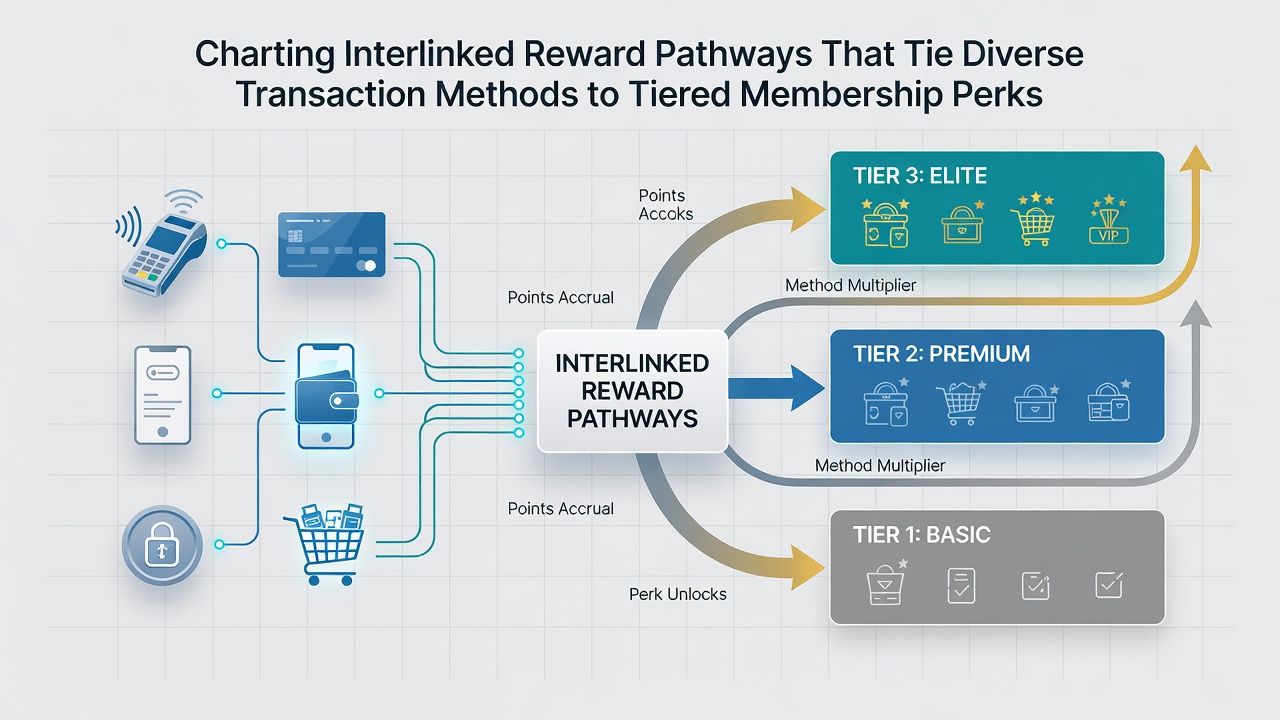
One pattern that emerges involves the synchronization of payment speed with perk activation timelines, since instant methods accelerate point accrual and shorten the interval between tier advancements. Figures reveal that players engaging in combined roulette and football sessions often reach mid-tier status within shorter periods when multiple transaction types are employed, and this acceleration produces access to benefits like free spin allocations or enhanced football accumulator bonuses. The system treats each game category as an interconnected node, allowing progress in one area to influence opportunities in others through shared loyalty ledgers.
Cross-Game Reward Pathways in 2026
As of August 2026, platform updates have refined these interlinked pathways to accommodate broader ranges of transaction methods while preserving tier integrity across mobile roulette tables, blackjack rooms, and football markets. Industry reports highlight that operators now employ unified dashboards that display real-time reward projections based on recent deposits and wagers, and this visibility encourages continued engagement without altering the underlying calculation rules. Those who have examined system architectures note that the pathways prevent overlap conflicts by assigning distinct multipliers to each game type, ensuring blackjack activity contributes differently yet compatibly with football market contributions.
Case observations from multiple operators show that a player depositing via e-wallet into a roulette session can simultaneously build football betting credits if the account maintains active tier status, and the linkage occurs through automated reconciliation processes that run at fixed intervals. Academic sources including research from the Australian Gambling Research Centre have examined similar integration models and found that such designs support higher retention rates when perks remain consistent across categories. The approach avoids fragmentation by maintaining a single membership profile that aggregates data from all three areas into unified advancement metrics.
Conclusion
Interlinked reward structures continue to evolve through precise connections between diverse transaction methods and tiered membership perks, delivering coordinated benefits across mobile roulette, blackjack, and football environments. These systems rely on data-driven linkages that process payments from varied sources and translate activity into progressive advantages without requiring separate tracking for each game type. Continued development in platform technology supports these pathways by refining how operators allocate rewards based on combined usage patterns observed throughout 2026.