Merkur Slots in Spalding Loses Planning Appeal for 24/7 Operations Amid Noise Fears
Written by Amir Otto · Mar 22, 2026

Merkur Slots in Spalding Loses Planning Appeal for 24/7 Operations Amid Noise Fears
The Venue and Its Push for Extended Hours
Merkur Slots operates as an adult gaming centre in Hall Place, Spalding, Lincolnshire, UK, a spot tucked into a residential area where late-night crowds have long sparked debates among locals. The centre, known for its array of slot machines and gaming options geared toward adults, sought to extend its hours from the current limited schedule to full 24-hour operations, arguing that such a change would boost local economic activity while meeting demand from players who prefer round-the-clock access. But here's the thing: neighbouring residents pushed back hard, citing persistent worries over noise spilling into their homes, especially during quieter evening and overnight periods when the hum of machines, chatter from patrons, and comings-and-goings could disrupt sleep and daily life.
Spalding, a market town in South Holland with around 30,000 residents, sits in the Lincolnshire countryside, and places like Hall Place blend commercial spots with housing, creating tight-knit zones where one business's rhythm directly affects the next door. Merkur Slots, part of the larger Merkur brand under Gauselmann Group, features modern slots and electronic gaming, drawing in locals and visitors alike; yet, the bid for nonstop service ran into regulatory hurdles from the start, with South Holland District Council initially rejecting the proposal due to potential harm to the area's living conditions.
That rejection led straight to a planning appeal, lodged with the Planning Inspectorate, the independent body that reviews such disputes in England, and the case unfolded over months, culminating in a decision that kept the status quo intact.
Unpacking the Appeal Process
The appeal process kicked off after the local council's denial, with Merkur Slots presenting evidence on projected economic upsides, including job retention for staff who could work flexible shifts, increased footfall for nearby shops, and revenue that might trickle into community coffers through business rates. Operators highlighted how 24/7 models thrive in urban casinos elsewhere, pointing to data from similar venues where extended hours correlated with higher takings without proportional disturbances, at least in their view. Residents, however, countered with logs of existing noise issues—revving engines from late arrivals, muffled shouts from excited winners, and the steady thrum of doors opening and closing—which they said already grated, let alone if amplified around the clock.
Planning experts who reviewed the submissions noted the site's location as key: surrounded by homes on multiple sides, the centre lacks the buffers like high walls or distance that shield bigger casino resorts, making any extension a direct shot to bedroom windows. The Planning Inspectorate, in its role as arbiter, weighed these clashing narratives during site visits and public inquiries, where both sides laid out their cases in detail.
The Inspectorate's Ruling on March 12, 2026
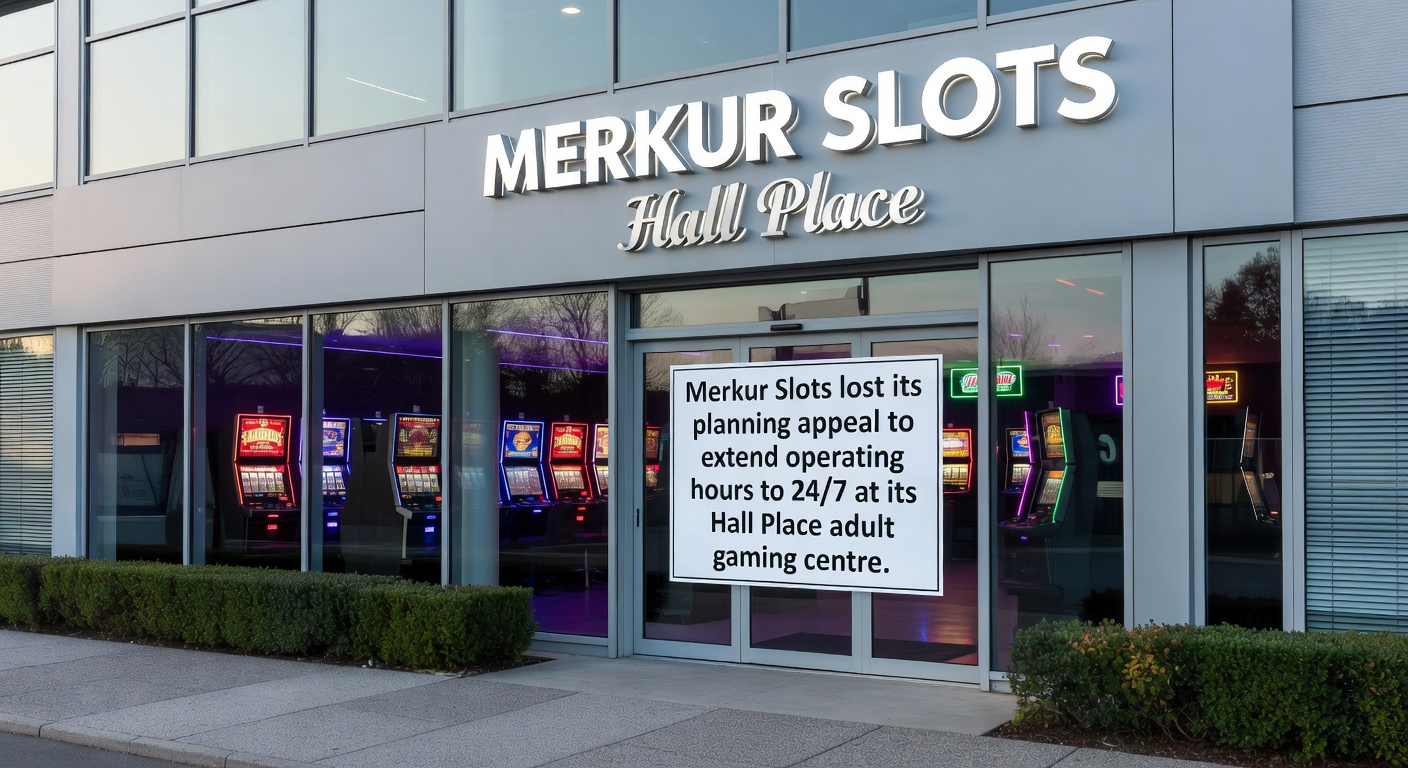
On March 12, 2026, the Planning Inspectorate dismissed the appeal outright, ruling that 24-hour operations at Merkur Slots would significantly harm neighbouring residents' living conditions, primarily through heightened noise and disturbance that no proposed mitigations—like soundproofing or staff-monitored quiet hours—could fully offset. The decision document spelled it out clearly: while economic benefits existed, they remained limited, with job gains modest at best and no compelling evidence of broader community uplift outweighing the downsides for those living nearby. Inspectors emphasized the site's residential context, where peace after dark holds premium value, and noted that current hours already push boundaries without crossing into full disruption.
What's interesting here is how the verdict leaned heavily on established planning policies from the National Planning Policy Framework, which prioritizes protecting amenities in mixed-use areas; similar appeals in other English towns have faltered for the same reasons, as data from the Planning Inspectorate archives reveals patterns of rejections when noise projections tip negative.
Operators expressed disappointment, calling the ruling a missed chance for growth in a sector facing tight margins, but complied swiftly, maintaining operations within approved times.
Community Response and Charity's Stance
Locals who opposed the extension breathed a collective sigh of relief, with some sharing stories of relief over preserved quiet nights, especially families with young children or shift workers craving rest. And then there's Charles and Liz Ritchie, parents who channel their grief through Gambling with Lives, a charity founded after their son succumbed to gambling addiction; they hailed the decision as a "small victory" against big casino firms eyeing ever-longer hours that could lure vulnerable players deeper into round-the-clock temptation. The Ritchies, whose advocacy has spotlighted how easy access fuels harm, tied the win to wider calls for measured growth in gaming venues, particularly in residential pockets where late-night lights might signal more than just entertainment.
Gambling with Lives, backed by research showing links between extended access and heightened addiction risks—studies from groups like the Journal of Gambling Studies indicate prolonged availability correlates with upticks in problem play—uses such cases to rally support, and their statement drew nods from others wary of expansion without safeguards.
Broader Context in Local Planning and Gaming
This outcome fits a trend observers track in Lincolnshire and beyond, where small-scale gaming centres navigate planning tightropes between commerce and community peace; take nearby Boston's arcade disputes, or Grantham venues facing hour curbs, all echoing Spalding's clash since the ball's in councils' courts under devolved rules. Merkur Slots itself boasts a footprint across the UK, with over 400 sites per company reports, but rural or semi-rural spots like Hall Place prove trickier for bold moves, as acoustic assessments often flag vulnerabilities.
Turns out, noise modeling played a starring role: experts deployed decibel meters and predictive software during the appeal, revealing peaks from ventilation fans and foot traffic that could nudge past acceptable limits post-midnight, even with tweaks. Economic claims got scrutiny too; while the venue projected £100,000-plus in extra annual spend, inspectors deemed it insufficient against quality-of-life hits, aligning with fiscal impact guidelines that demand tangible local gains.
People who've followed these battles point out how charities like Gambling with Lives amplify voices, shifting focus from profits to people, and in this case, their input underscored ethical layers amid the technical debate.
Looking at Similar Cases Across Regions
Planning bodies elsewhere mirror this caution; for instance, in Australia, the Victorian Gambling and Casino Control Commission has curtailed late-night pokie venue hours in residential zones based on disturbance data, while U.S. locales like Nevada's Clark County enforce buffers around Strip outliers to shield suburbs. Research from the University of Sydney's gambling studies unit found that 24/7 access in non-tourist areas boosts session lengths by 20-30%, fueling calls for restraint that echo the Inspectorate's logic here.
So, Spalding's saga underscores a balancing act: gaming's economic pulse versus residents' right to repose, with rulings like this one setting precedents for venues plotting similar paths.
Conclusion
The dismissal of Merkur Slots' appeal on March 12, 2026, stands as a clear marker in Spalding's planning landscape, prioritizing resident well-being over operational stretch while nodding to modest economic trade-offs. Charles and Liz Ritchie's welcome of the "small victory" highlights intersecting concerns around access and addiction, even as the venue adapts within bounds. Observers note this keeps the door ajar for future proposals armed with stronger mitigations, but for now, Hall Place nights stay comparatively serene, a outcome shaped by rigorous review and community input that those tracking UK gaming venues will watch closely in the months ahead.