Merkur Slots' Spalding Venue Stays Bound by Curbs: Planning Appeal Fails Over Noise and Resident Woes
Written by Elena Berger · Apr 13, 2026

Merkur Slots' Spalding Venue Stays Bound by Curbs: Planning Appeal Fails Over Noise and Resident Woes
A Clock That Won't Turn Round-the-Clock
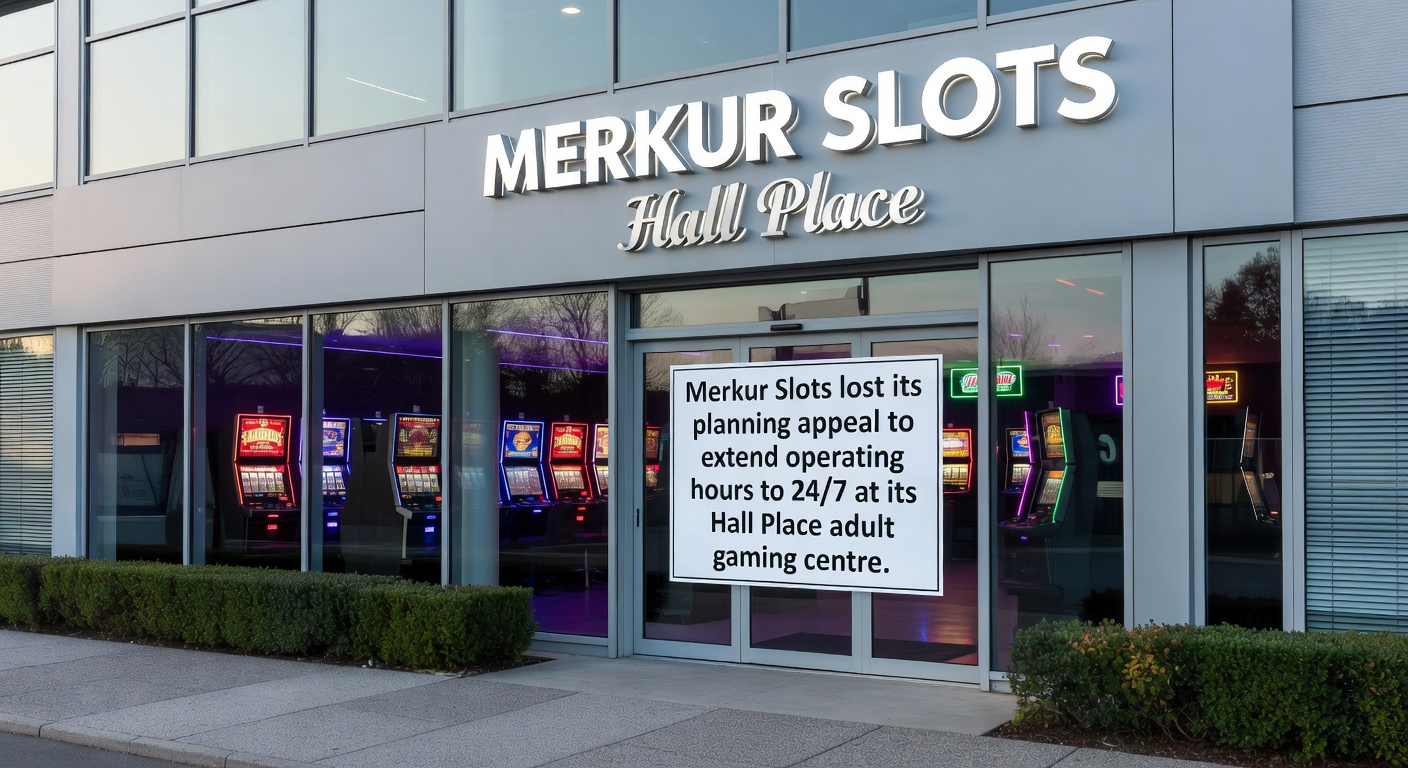
The Planning Inspectorate delivered a clear verdict on March 12, 2026, dismissing Merkur Slots' appeal to extend hours at its Hall Place adult gaming centre in Spalding, Lincolnshire; operators had pushed for 24/7 access, but inspectors ruled the move would damage neighbouring residents' living conditions through heightened noise and disturbance, even as economic upsides appeared limited. This decision, coming amid ongoing debates over gaming venues in residential zones, underscores tensions between business growth and community peace, particularly in smaller towns like Spalding where such centres anchor local entertainment yet stir local friction.
Hall Place, tucked into Spalding's town centre, operates as an adult gaming centre (AGC) focused on fixed-odds betting terminals (FOBTs), slots, and similar machines; Merkur Slots, part of the German-based Merkur Group with a strong UK footprint, sought the extension to match patterns at other sites, arguing it would boost footfall and jobs without major disruption. But here's the thing: residents pushed back hard during consultations, citing late-night comings and goings that already test tolerances, and the inspectorate's report weighed those concerns heavily against the venue's promises of controlled operations.
Spalding, a market town in Lincolnshire with around 34,000 residents, relies on such venues for evening draws, yet planning rules here reflect broader UK efforts to balance nightlife with quiet hours; data from South Holland District Council, which initially rejected the application, highlighted existing restrictions—typically closing at midnight or 1am—that keep the peace, and Merkur's appeal aimed to override those through national inspectorate review.
Unpacking the Venue and Its Ambitions
Merkur Slots runs over 300 AGCs across the UK, often in high streets and repurposed shops, offering low-stakes gambling in age-restricted settings; Hall Place, opened years back in a former retail space, draws locals for quick sessions on machines capped at £5 stakes and £100 payouts under Gambling Commission rules, a shift from higher-limit FOBTs phased out in 2019. Operators like Merkur point to steady demand, especially post-pandemic when indoor leisure rebounded, and the 24/7 bid mirrored trends at bigger casinos, though AGCs face stricter local oversight because they sit amid homes and shops.
What's interesting about this case: Merkur submitted detailed noise assessments and staff training plans, promising tech like soundproofing and patron monitoring to curb issues; yet inspectors found those measures insufficient against real-world patterns, where closing times see spikes in vehicle noise, chatter, and litter that linger into early mornings. One study from the Local Government Association notes AGCs generate 20-30% more late-night activity than pubs in similar spots, a factor that played into the ruling here.
And as April 2026 unfolds, the centre sticks to its pre-appeal schedule—open till 10pm weekdays, midnight weekends—leaving Merkur to adapt without the all-hours revenue they eyed; observers note this aligns with a spate of similar rejections, like those in nearby Boston or Grantham, where councils prioritise residential amenity over marginal economic lifts.
The Appeal's Path and Inspectorate's Deep Dive
Local planners at South Holland District Council turned down the extension in late 2025, sparking Merkur's appeal under the Town and Country Planning Act; hearings unfolded virtually and in-person, with evidence from acoustic experts, resident testimonies, and economic forecasts rolling in over months. The inspectorate, an arm of the Department for Levelling Up, Housing and Communities, issued its 20-page determination on March 12, dissecting every angle from decibel projections to job creation stats.
Inspectors acknowledged Merkur's case for viability—projecting 10-15% revenue bumps from overnight slots, plus a handful of part-time shifts—but countered that harms outweighed gains; noise modelling showed potential 10-15dB rises near homes, breaching WHO night-time guidelines, while disturbance risks escalated with solitary night owls drawn to the glow. Turns out, policy in the National Planning Policy Framework tilts toward protecting "amenity," and this appeal landed squarely against that, with the report citing "unacceptable adverse impacts" in bold terms.
People who've followed these processes know appeals succeed about 35% of the time per inspectorate data, often when operators prove mitigation trumps harm; Merkur's fell short, partly because alternatives like delivery services or online shifts weren't deemed comparable for a physical venue reliant on walk-ins.
Resident Realities and Voices That Echoed Loud
Neighbours around Hall Place, many in terraced homes mere metres away, voiced fears during council phases; letters described disrupted sleep from revving engines and rowdy groups, patterns worsening on match nights or paydays when punters spill out. One resident submission, per council minutes, tallied 20+ complaints over a year, linking the venue to anti-social behaviour spikes that police logs corroborated.
But the response reaching furthest came from Charles Ritchie, director at Gambling with Lives—a charity founded after his son Zak's 2017 suicide tied to gambling addiction; Ritchie called the outcome a "small victory" over "big casino operators," highlighting how 24/7 access could fuel problem play, especially for vulnerable night-shift workers or insomniacs. Figures from the charity reveal over 500 UK gambling suicides since 2018, with AGCs implicated in 10-15% of cases per Public Health England reviews, lending weight to his stance even if the inspectorate focused on noise over addiction risks.
Experts at the Remote Gambling Association note AGCs serve casual players mostly—average spend £20 per visit—but acknowledge tail risks, and Ritchie's comment spotlights a narrative where planning wins double as public health nods, though inspectors stayed laser-focused on environmental harms.
Ripples Through Spalding and the Gaming Scene
Locally, the ruling preserves status quo for Hall Place, where Merkur now eyes tweaks like better lighting or shuttle services to ease burdens; South Holland Council welcomed the call, stating it reinforces core strategy policies safeguarding quiet zones, and as April 2026 brings spring footfall, the centre reports steady trade without all-night pushes. Economically, Spalding's high street absorbs the news mildly—gaming contributes under 2% to local rates per council figures—yet Merkur absorbs a hit, joining peers like Astec or Cashino who've faced parallel setbacks.
Broader patterns emerge: UK AGC numbers hold at 500+, but expansions slow amid 2024-2026 planning tightenings post-Levy hikes and Gamstop mandates; the Gambling Commission's 2025 review flagged 24/7 risks for AGCs lacking casino-level safeguards, influencing inspectors indirectly. One case in Blackpool saw a similar bid approved with hefty conditions, showing variability, but Spalding's residential weave tipped scales here.
Those tracking teh beat see this as par for the course—venues adapt via apps or pop-ups, residents breathe easier, and charities like Gambling with Lives gain ground in advocacy; it's not rocket science, just the push-pull of planning where noise decibels often drown out dollar signs.
Conclusion
The Planning Inspectorate's March 12, 2026, dismissal closes Merkur Slots' chapter on Hall Place's 24/7 dreams, prioritising resident calm over limited gains in a quintessential UK planning clash; as April 2026 progresses, Spalding's gaming hub hums on within bounds, Ritchie hails a win for caution, and the sector watches for precedents in noise-sensitive spots. Observers note these rulings shape future bids, blending community input with operator grit in ways that keep the conversation—and the clocks—ticking steadily forward.