Reward Systems Reshape Engagement Across Mobile Sports Betting and Table Game Platforms
Written by Ines Baumann · Jul 15, 2026

Reward Systems Reshape Engagement Across Mobile Sports Betting and Table Game Platforms
Reward frameworks have become central mechanisms that guide how players interact with mobile sports markets and table games across multiple jurisdictions, and data collected through 2026 illustrates clear shifts in session lengths, deposit frequencies, and game selection. Operators structure these systems around points, tiers, and instant bonuses that activate based on wager volume or specific game types, creating measurable differences in participation rates between sports betting and casino table offerings.
Core Components of Modern Reward Frameworks
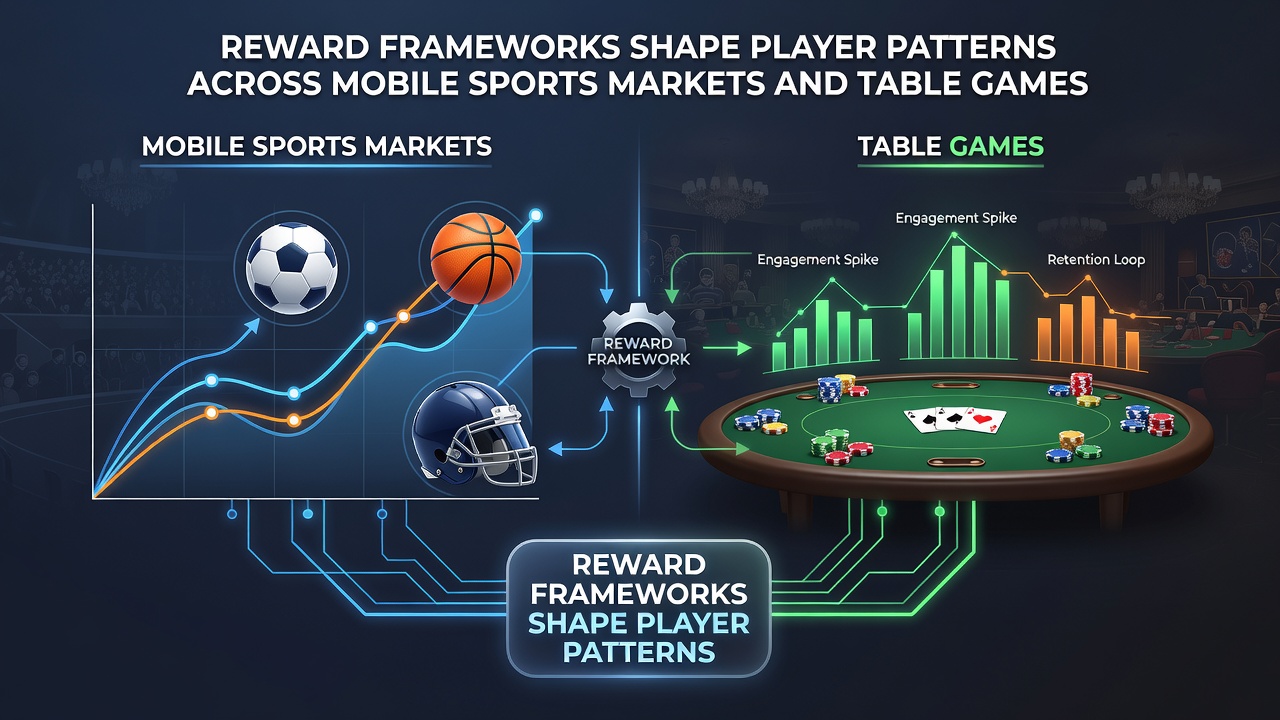
Points accumulation tied directly to stake size forms the foundation of most programs, while tier progression unlocks higher cashback percentages and exclusive events. Mobile sports markets often reward live in-play bets with accelerated points that convert into free bets within minutes, whereas table game rewards frequently emphasize time spent at virtual roulette or blackjack tables through multipliers that reset daily. These distinctions produce observable patterns: sports bettors tend to spread activity across multiple events in a single session, while table game participants cluster around fewer but longer sessions once a bonus threshold activates.
Patterns Emerging in Mobile Sports Markets
July 2026 figures released by several regional regulators showed mobile sports platforms recording higher average session counts when reward multipliers applied to accumulator bets rather than single selections. Players responded by increasing the number of legs per bet slip, and conversion rates from free bet credits into additional wagers rose measurably in markets where instant payout options paired with loyalty points. One study conducted across European operators found that sports users who reached mid-tier status within the first month maintained 28 percent higher monthly deposit activity compared with those who remained at entry level.
Table Game Engagement Under Reward Incentives
Table game environments display different dynamics because rewards often trigger after consecutive hands or spins rather than per individual wager. Live dealer platforms report elevated retention when players receive loyalty boosts for reaching a set number of decisions within an hour, prompting extended play windows especially during peak evening hours. Observers note that blackjack and roulette tables with integrated reward meters see steadier traffic than slot sections on the same apps, and data indicates players migrate between mobile sports and table games more frequently when unified loyalty currencies allow points earned from football bets to apply toward table game cashback.
Cross-Market Interactions and Player Migration
Unified account systems enable seamless movement between sports and table products, and operators tracking these flows report that reward structures accelerate the shift. A player finishing a sports betting session with remaining bonus funds often redirects that value toward table games to meet new wagering requirements, creating a feedback loop that increases overall platform stickiness. Research from the Nevada Gaming Control Board and academic partners at the University of Nevada documented similar cross-product usage spikes when loyalty programs aligned expiration dates and point values across verticals.
Regional Variations in Implementation
North American markets tend to emphasize sports-centric rewards tied to major league seasons, whereas Asia-Pacific operators integrate table game multipliers more aggressively during regional festivals. Australian data compiled by the Australian Gambling Research Centre highlighted that reward frameworks incorporating both deposit matches and loss rebates produced steadier engagement curves than points-only models. European platforms, operating under varying national rules, show comparable trends but with stricter caps on bonus values that limit the upper reach of tier benefits.
Measurement of Behavioral Shifts
Operators monitor metrics such as average revenue per user, time between deposits, and product switching rates to evaluate framework effectiveness. July 2026 internal reports from several large platforms indicated that sports markets experienced greater volatility in daily active users when reward resets occurred weekly, while table game activity stabilized under monthly tier evaluations. These patterns suggest reward cadence itself functions as a design lever that operators adjust to smooth revenue streams across both categories.
Conclusion
Reward frameworks continue to evolve as operators refine the balance between immediate incentives and long-term progression. The resulting player patterns reveal consistent differences between mobile sports markets and table game environments, with cross-product movement increasing wherever unified loyalty mechanics operate. Data gathered through mid-2026 underscores that structural details such as reset timing, multiplier placement, and payout integration directly influence how participants allocate time and funds across these segments.