The Dynamics of Player Rewards and Payment Processing in Mobile-Based Gaming and Wagering Environments
Written by Ines Baumann · Aug 15, 2026
The Dynamics of Player Rewards and Payment Processing in Mobile-Based Gaming and Wagering Environments
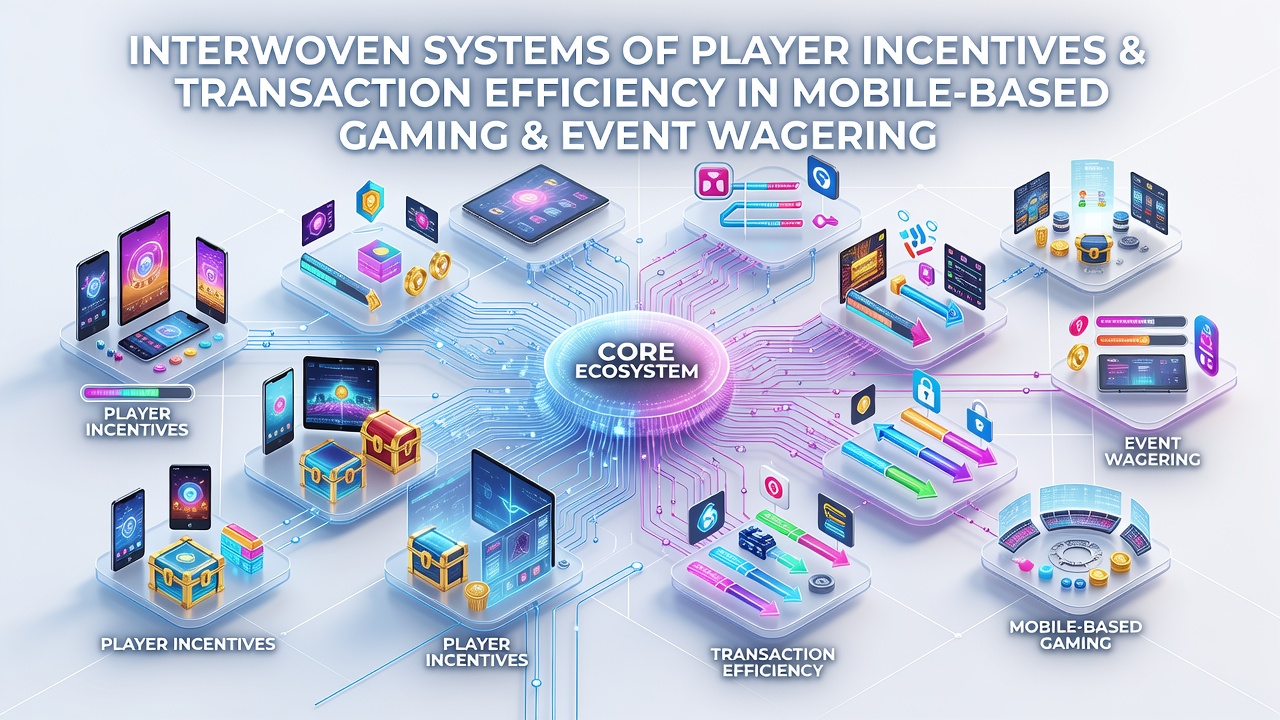
Player incentives and transaction systems now form tightly connected networks in mobile gaming and event wagering, where reward structures depend on rapid payment flows to maintain engagement across global platforms. Data from industry reports indicate that mobile users complete over 70 percent of gaming sessions through apps that link loyalty points directly to deposit and withdrawal mechanisms, allowing automatic redemption during live events such as virtual sports matches or tournament brackets. Researchers at various institutions have documented how these linkages reduce drop-off rates because participants receive bonuses or cashback within seconds of completing a transaction, rather than waiting for manual processing cycles that once spanned hours or days.
Core Components of Incentive Structures
Modern mobile platforms deploy layered reward systems that include welcome packages, ongoing loyalty tiers, and event-specific multipliers, all calibrated to transaction volume and frequency. Studies compiled by the American Gaming Association show that operators who embed these incentives within payment interfaces observe higher retention among users who wager on time-sensitive events like esports tournaments or daily fantasy contests. One analysis of platform data revealed that players accessing instant deposit bonuses during August 2026 sessions maintained average session lengths 25 percent longer than those using delayed reward claims, because the seamless connection between funding and bonus activation encouraged continued participation without interruption.
Transaction efficiency enters the picture through technologies such as real-time bank transfers, digital wallets, and tokenized payment rails that settle in under 10 seconds on compliant networks. Observers note that these tools allow incentive systems to trigger automatically when thresholds are met, for instance converting a deposit streak into elevated payout multipliers for upcoming matches. Platforms in regions outside traditional markets, including parts of Asia and North America, have adopted similar models where mobile operators integrate with local payment providers to minimize latency while complying with jurisdictional rules on player fund segregation.
Integration Patterns Across Platforms
Integration occurs when backend ledgers connect reward engines to payment gateways, enabling features like instant cashout of winnings that feed back into loyalty balances for future events. Figures released in mid-2026 by international gaming associations highlight that operators utilizing unified systems processed 1.8 billion mobile transactions monthly, with incentive redemptions accounting for roughly 40 percent of those volumes. This interconnection means a user placing a wager on a live event can apply accrued points at the moment of bet placement, adjusting odds or stake limits without exiting the app interface.
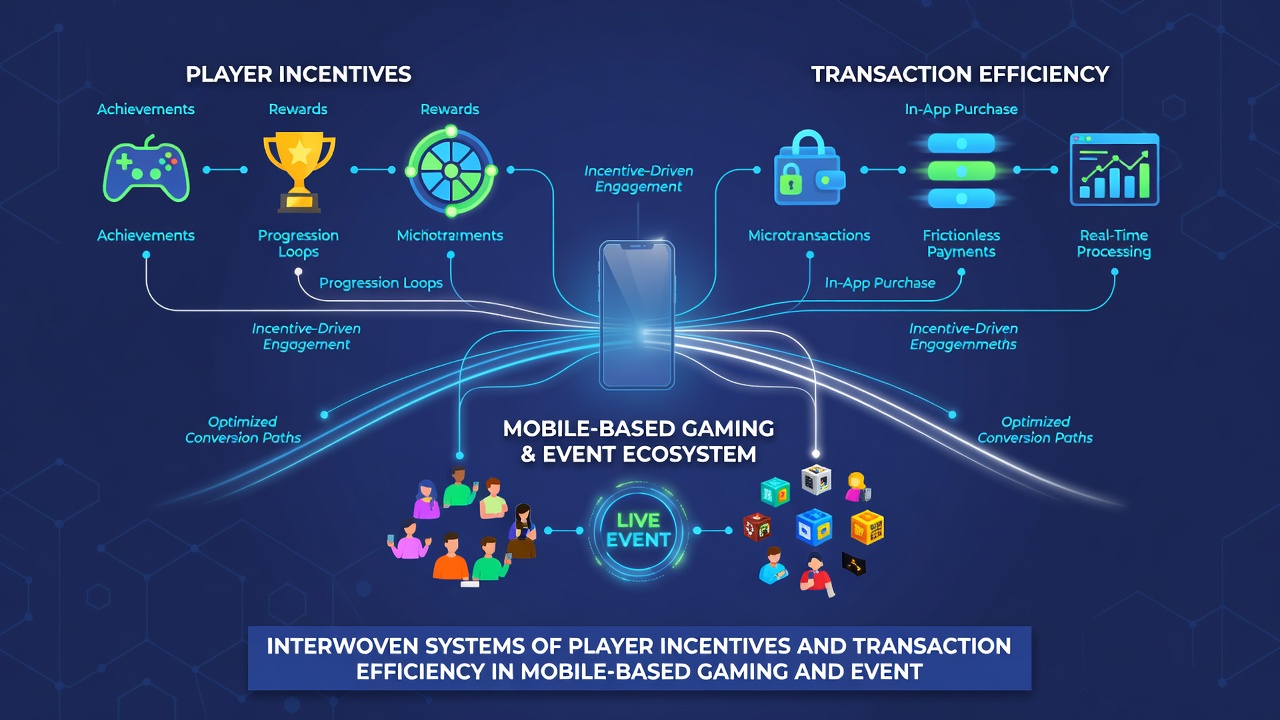
Take one operator in the Canadian market that synchronized its event wagering module with a national e-wallet provider; researchers found that average time from deposit to first rewarded bet dropped from 47 seconds to 9 seconds after implementation. Such reductions matter because event wagering often hinges on narrow time windows, where delays in funding or reward application can cause users to abandon sessions entirely. Data indicates that platforms achieving sub-15-second transaction cycles combined with visible incentive tracking report repeat engagement rates exceeding 65 percent among mobile cohorts tracked over six-month periods.
Regional Variations and Technology Adoption
Regional differences shape how these systems evolve, with European operators emphasizing regulatory-compliant instant transfers while Australian and U.S. platforms experiment with additional verification layers that still preserve speed. A report from the University of Nevada's gaming research center noted that mobile event wagering apps incorporating biometric-linked payments saw incentive utilization climb by 33 percent during peak tournament seasons in 2026, as users encountered fewer friction points when claiming tiered rewards tied to cumulative wagers. Meanwhile, platforms in Singapore and surrounding markets have tested blockchain-based settlement for cross-border events, linking player incentives to transparent ledgers that update balances in near real time.
Those who have examined transaction logs across multiple jurisdictions observe that efficiency gains compound when incentive rules are coded directly into payment processors, eliminating separate approval queues. This approach allows event-specific promotions, such as boosted returns on certain match outcomes, to activate automatically once a qualifying deposit clears, sustaining momentum through an entire wagering cycle without manual intervention.
Conclusion
Interwoven incentive and transaction systems continue to define mobile gaming and event wagering by aligning reward delivery with payment speed, producing measurable effects on user behavior across diverse markets. Evidence from multiple sources demonstrates that platforms optimizing these connections sustain higher activity levels, particularly during periods of concentrated event scheduling like those observed in August 2026. Future developments will likely center on further reductions in processing times alongside expanded compatibility with emerging payment methods, maintaining the linkage between player rewards and operational efficiency as a central feature of the sector.