Tracing Loyalty Pathways Through Adaptive Incentives in Portable Roulette Sessions and Football Markets
Written by Ines Baumann · May 16, 2026
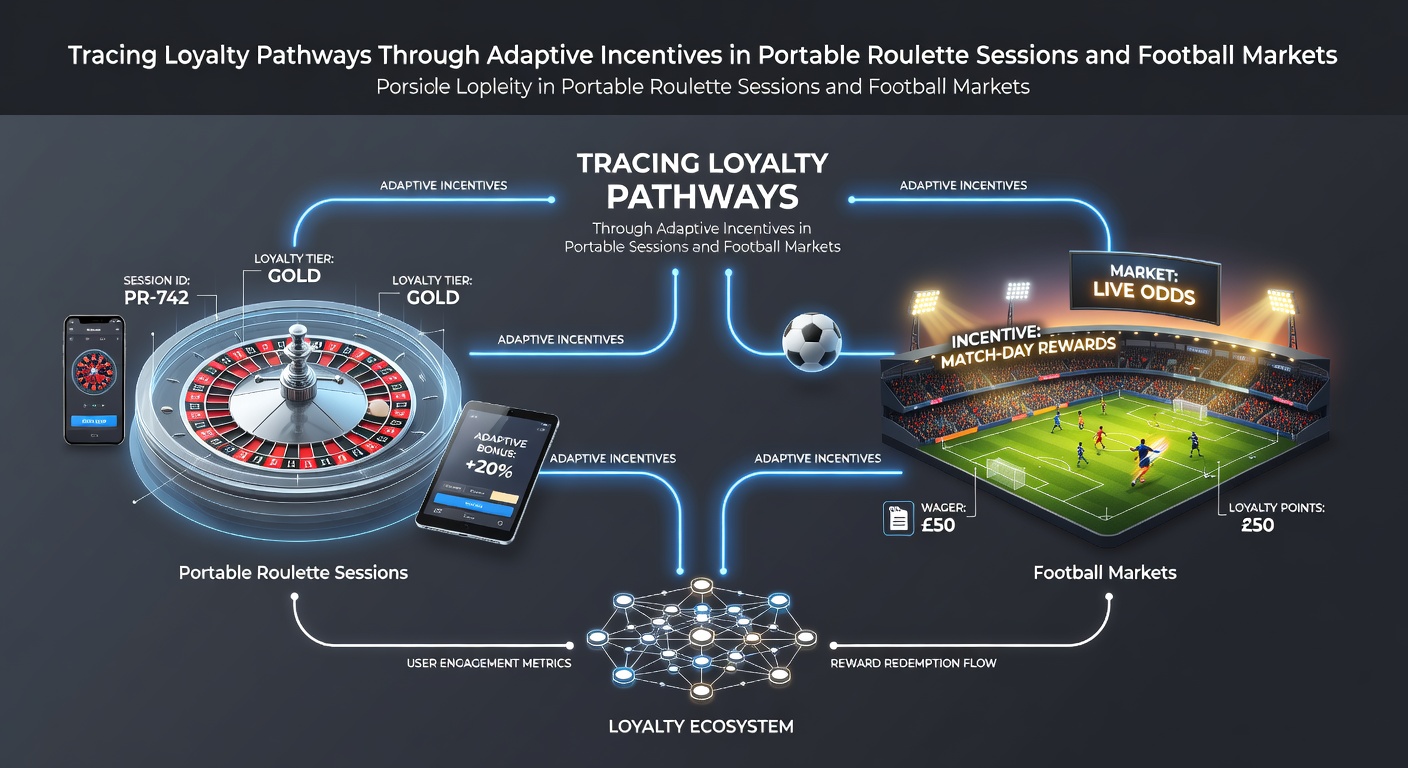
Tracing Loyalty Pathways Through Adaptive Incentives in Portable Roulette Sessions and Football Markets
Portable roulette sessions and football markets operate through interconnected loyalty frameworks where adaptive incentives adjust in real time based on player behavior and market conditions, according to industry reports from the European Gaming and Betting Association. These systems track participation patterns across mobile platforms, converting session data into tiered rewards that shift dynamically to maintain engagement levels. Data from multiple operators indicates that such mechanisms have expanded notably by May 2026, incorporating predictive algorithms that respond to both roulette wheel outcomes and live football event fluctuations.
Adaptive incentives function through layered structures that monitor metrics including session duration, wager frequency, and risk thresholds. In portable roulette environments, players encounter bonus multipliers that recalibrate after each spin sequence, while football market participants receive cashback adjustments tied to match-specific betting volumes. Researchers at the University of Nevada, Las Vegas documented similar patterns in controlled studies, noting that these pathways create traceable sequences where initial low-level rewards escalate into premium access points once cumulative activity thresholds are met.
Mechanics of Incentive Adaptation in Mobile Roulette
Portable roulette platforms deploy algorithms that analyze spin velocity and bet distribution to generate personalized incentive offers. One common pathway involves starting with free spin allocations that convert into loyalty points upon successful wagers, with point values increasing proportionally to consecutive session lengths. Observers note that these adjustments occur seamlessly through backend systems that cross-reference historical data against current gameplay, allowing rewards to scale upward during high-activity periods or downward during lulls.
By May 2026, several platforms integrated machine learning components that anticipate player preferences based on prior roulette selections. This enables incentives such as enhanced payout percentages for specific number ranges or accelerated progression through loyalty tiers after completing targeted wheel cycles. Figures from North American regulatory filings reveal consistent growth in these adaptive features, particularly among operators serving cross-border mobile users who alternate between roulette sessions and other table variants.
Integration with Football Market Dynamics
Football markets present distinct loyalty challenges due to the event-driven nature of matches and variable odds fluctuations. Adaptive incentives in this sector often link reward multipliers to pre-match and in-play betting patterns, where users accumulate points for accurate predictions or sustained participation across multiple fixtures. These pathways intersect with roulette incentives when platforms offer bundled rewards that transfer value between the two formats, creating hybrid loyalty tracks.
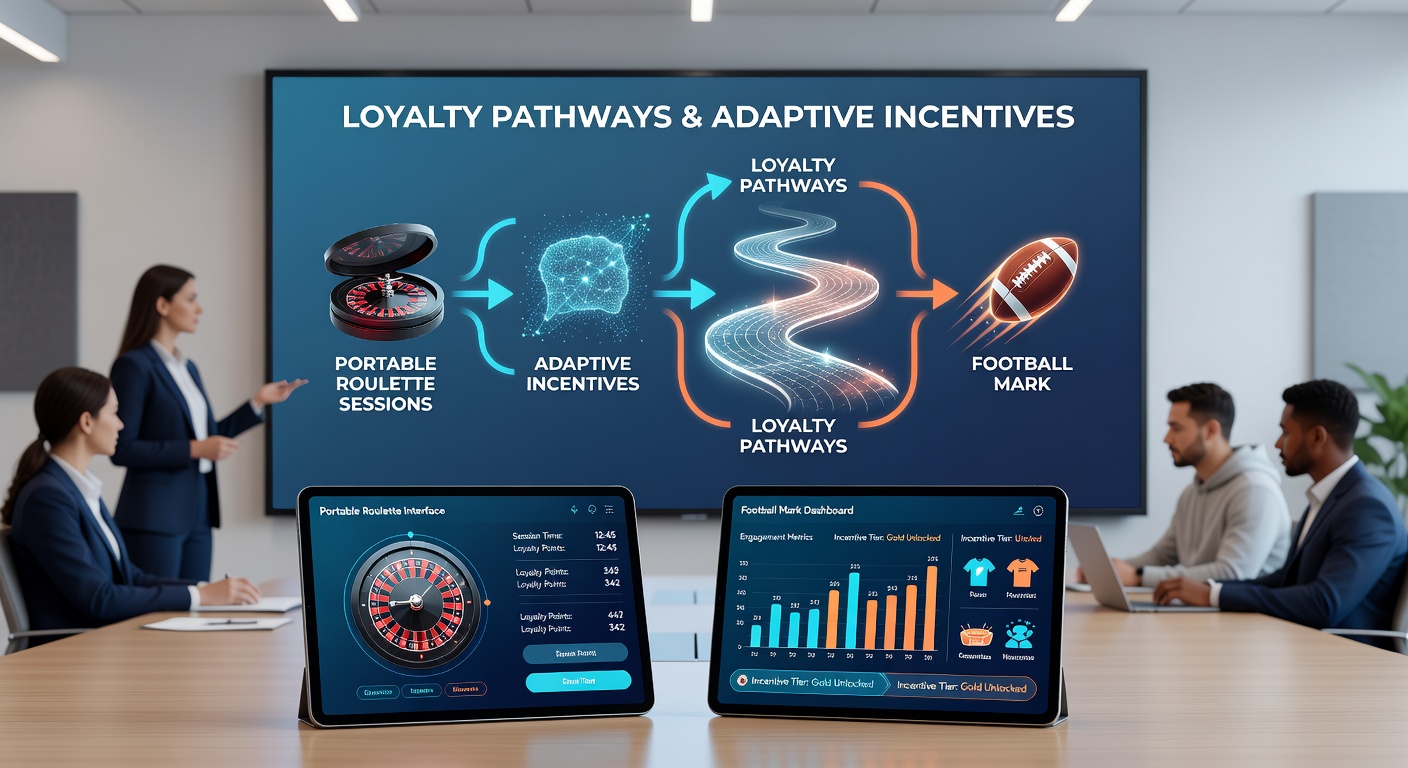
Those who have examined aggregated transaction records find that football bettors who engage in parallel roulette sessions tend to receive expedited tier upgrades. Systems automatically detect these combined activities and apply cross-category bonuses, such as deposit matches or exclusive market access, that activate once total engagement metrics surpass defined benchmarks. The Australian Institute of Family Studies published findings in early 2026 highlighting how such integrated pathways influence retention rates across different sporting and gaming verticals.
Tracing Progression Through Tiered Structures
Loyalty pathways become visible when examining the sequence of incentive triggers from entry-level participation to elite status. Initial rewards typically consist of modest point accruals that unlock basic privileges like priority support or standard cashback rates. Subsequent stages introduce adaptive elements where incentives respond to real-time data streams, adjusting offer values according to both individual performance and broader market trends in roulette spins or football outcomes.
Progression accelerates when users maintain consistent activity across portable sessions. Platforms record these trajectories through unique identifiers that log every interaction, enabling precise mapping of how small incentives compound into substantial benefits. Data compiled by the Canadian Gaming Association shows measurable increases in pathway completion rates following the introduction of dynamic adjustment protocols in late 2025.
Current Landscape as of May 2026
Regulatory developments across multiple jurisdictions have shaped incentive design by May 2026, with emphasis on transparency in reward calculation methods. Platforms now publish detailed breakdowns of how adaptive algorithms determine bonus values, allowing users to follow their individual loyalty progression through dedicated dashboards. This shift aligns with broader industry moves toward verifiable systems that document every incentive trigger without altering core gameplay mechanics.
Cross-platform compatibility has also advanced, permitting loyalty points earned in football markets to influence roulette session rewards and vice versa. Such interoperability creates extended pathways where sustained engagement in one area directly supports advancement in the other, based on unified tracking protocols adopted by leading operators.
Conclusion
Tracing loyalty pathways through adaptive incentives demonstrates how portable roulette sessions and football markets converge under unified reward architectures. These systems rely on continuous data analysis to deliver tailored experiences that evolve with user behavior, supported by documented trends from regulatory and academic sources through May 2026. The resulting structures provide clear progression routes while maintaining operational consistency across mobile environments.