Unpacking Tiered Loyalty Systems and Mobile Payment Channels for Digital Spins and Predictive Wagers
Written by Greta Washington · Jul 11, 2026
Unpacking Tiered Loyalty Systems and Mobile Payment Channels for Digital Spins and Predictive Wagers
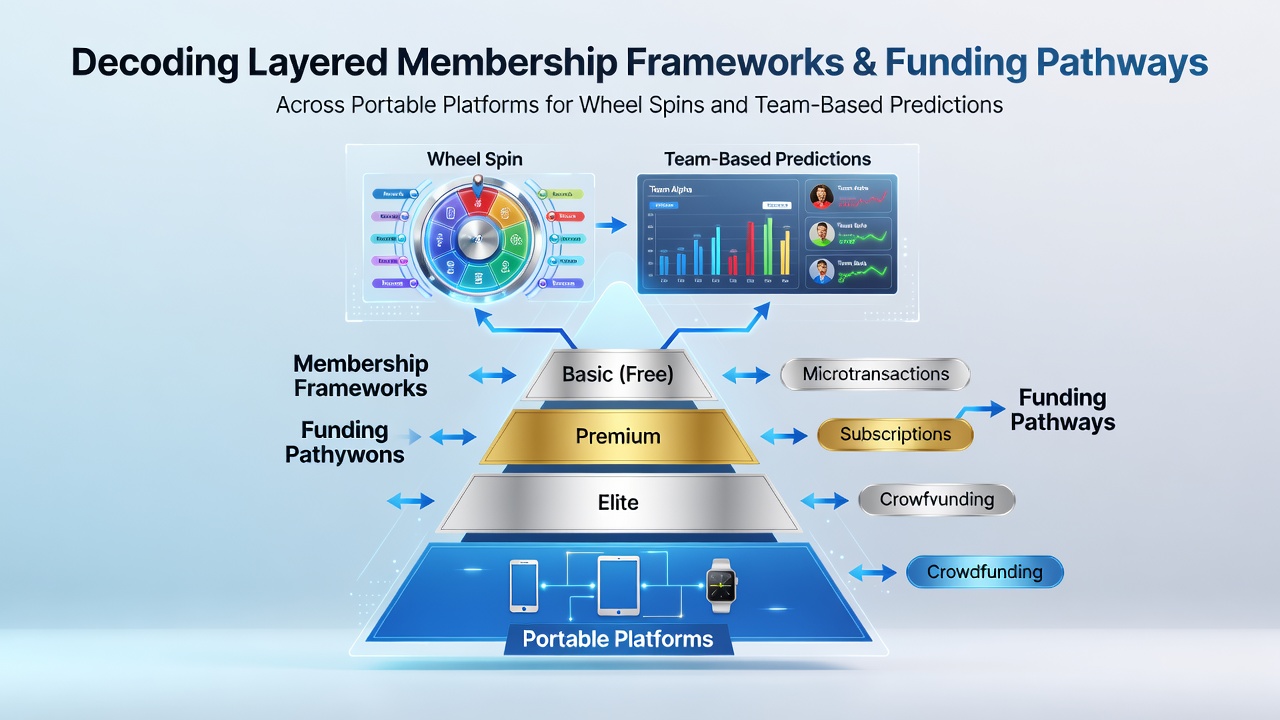
Platforms that host wheel spins and team-based predictions have developed structured membership programs alongside varied funding routes that operate across mobile devices, and these elements shape how users access features and manage transactions. Observers note that such frameworks typically organize participants into progressive levels where accumulated activity unlocks additional tools, while payment pathways emphasize speed and device compatibility to support ongoing engagement.
Structure of Layered Membership Programs
Many portable platforms categorize users through entry-level, intermediate, and advanced tiers based on metrics such as frequency of wheel spins or volume of team predictions placed over defined periods. Entry points often grant basic access to standard features, whereas higher tiers introduce elements like accelerated reward accumulation or priority processing for certain transaction types. Data from industry reports indicate that progression depends on consistent participation rather than one-time actions, which encourages sustained interaction across sessions.
Researchers have documented how these systems track engagement through centralized accounts that sync across devices, allowing seamless movement between desktop and mobile environments without resetting tier status. One study from a North American gaming research center highlighted that platforms using such synchronization report higher retention rates among users who maintain activity across multiple formats, including live prediction markets and automated spin sequences.
Funding Pathways on Portable Devices
Payment methods integrated into these platforms range from direct bank transfers and card processing to digital wallet services that function through mobile applications. Users frequently select options that enable near-instant deposits for immediate access to wheel spin sessions or team prediction markets, with withdrawal timelines varying according to the selected channel and verification status. Figures from regulatory filings in several jurisdictions show increased adoption of e-wallet solutions in regions where mobile penetration exceeds 80 percent of the adult population.
Compatibility Across Operating Systems
Developers design these pathways to function consistently on both major mobile operating systems, incorporating security protocols such as tokenization and biometric confirmation to authorize transfers. This approach reduces friction during high-activity periods when participants move rapidly between different prediction events and spin rounds. Those who monitor transaction patterns observe that platforms offering multiple verified methods tend to record steadier daily volumes compared with those limited to fewer options.
Integration of Tiers with Transaction Features
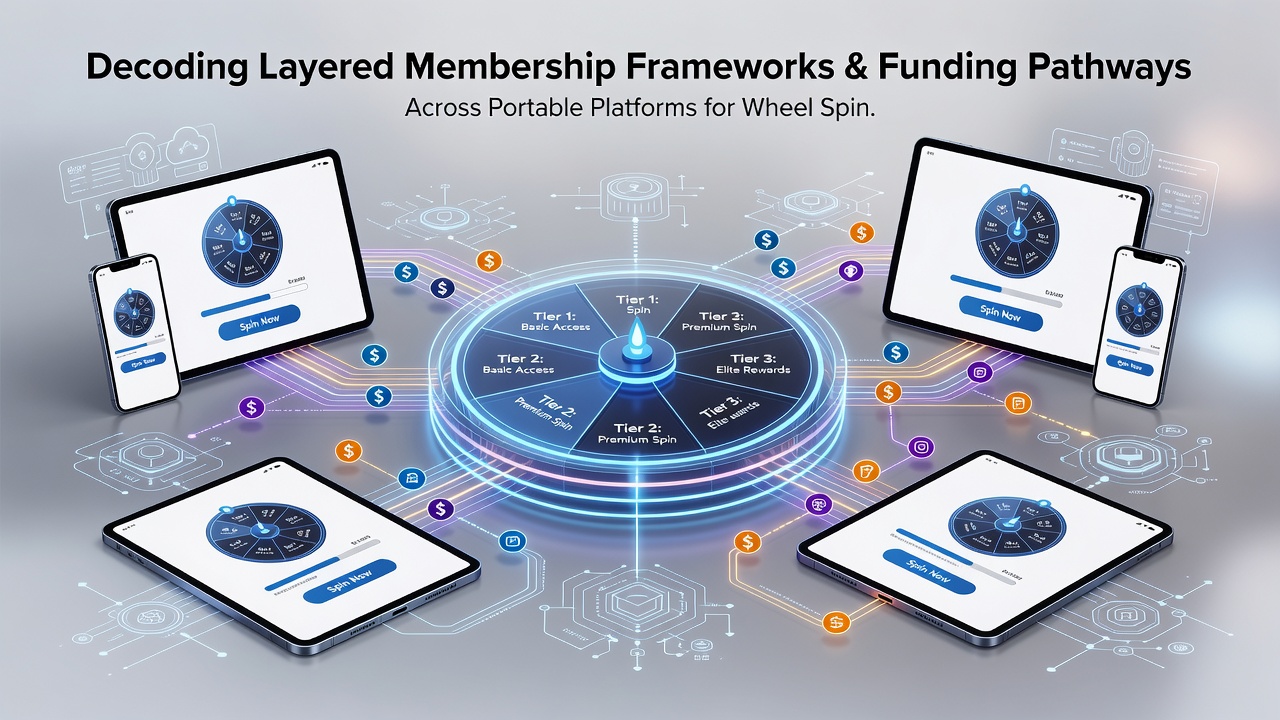
Higher membership levels frequently connect to enhanced funding capabilities, such as reduced processing fees or expanded daily limits for deposits and withdrawals. This linkage creates a feedback loop where sustained activity both elevates tier status and improves the efficiency of financial operations on the same portable platform. According to data compiled by an Australian gaming research organization, participants at advanced tiers complete transactions at rates approximately 25 percent higher than entry-level users during equivalent time frames.
Platforms also embed tier-based incentives directly into the funding interface, displaying personalized options that align with a user's current status. This presentation style keeps relevant information visible without requiring separate navigation, which supports fluid movement between depositing funds and initiating new wheel spins or team predictions. Evidence from European market analyses released in early 2026 indicates that such integrated displays correlate with shorter session initiation times across tested applications.
Regional Variations in July 2026
Updates to mobile payment regulations in several markets during July 2026 introduced new verification standards for cross-border transfers used in gaming environments. These changes prompted platforms to adjust their supported channels while maintaining compatibility with existing membership tracking systems. Industry associations in Canada and parts of Asia reported that operators adapted by expanding local wallet partnerships to comply with the revised requirements without disrupting tier progression mechanics.
Observers tracking these developments note that platforms with pre-existing multi-tier structures handled the adjustments more readily because their backend systems already segmented user data by activity level and preferred funding method. This segmentation allowed targeted updates rather than wholesale revisions across all accounts.
Conclusion
Layered membership frameworks and mobile funding pathways continue to evolve in tandem on platforms supporting wheel spins and team-based predictions. The connections between tier advancement and transaction efficiency reflect deliberate design choices that platforms implement to accommodate varying user behaviors across devices. Ongoing regulatory shifts, such as those observed in mid-2026, further influence how these elements operate while preserving the core structure of progressive benefits and accessible payment routes.